

How Tall Should Your Fence Be for Safety, Privacy, and Curb Appeal?
The right height for picket fencing depends on your goal. For front yards, most homeowners choose 3 to 4 feet for an open, welcoming look. For backyards, 4 to 5 feet is common if you want more privacy or to keep pets and kids secure. The best choice balances safety, appearance, and local rules.
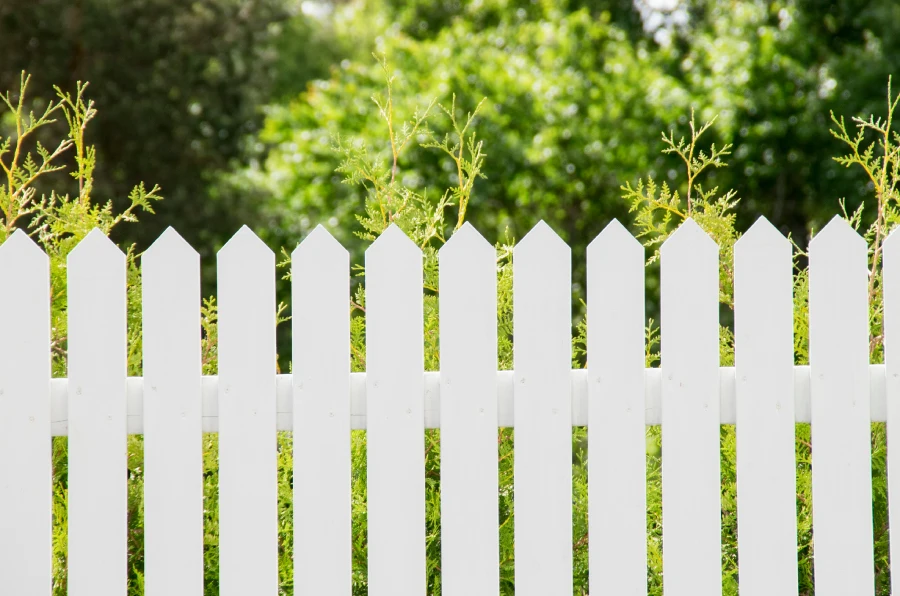
Quick Decision Guide
If you want a clear starting point, use this simple rule. Lower fences create charm and define space. Taller fences offer more control and protection. Think about who will use the yard and what you want the fence to do each day.
- 3 feet: decorative border for front lawns or gardens
- 4 feet: light security while keeping an open feel
- 5 feet: better for pets and active family spaces
- Over 5 feet: check local codes before building
Option a Vs Option B: Shorter Vs Taller Fences
Most people choosing picket fencing compare shorter and taller styles. Each option has clear benefits.
Shorter fences (3 to 4 feet)
- Boost curb appeal
- Keep sightlines open
- Cost less in materials
- Work well in front yards
Taller fences (4 to 5 feet)
- Add security for pets and kids
- Create more privacy
- Block foot traffic from cutting across lawns
- Feel more enclosed
If your home sits close to the street, a shorter fence often looks balanced. If your backyard faces a park or busy road, extra height may feel safer.
Pros and Cons of Different Heights
Every height has trade-offs. A 3-foot fence looks neat and friendly, but most dogs can jump it. A 4-foot fence stops small pets but may not stop larger breeds. A 5-foot fence offers more peace of mind, yet it can feel closed in on a small lot.
Wind is another factor. In open areas, taller picket fencing may catch more wind. This means stronger posts and deeper footings are needed. That can affect your overall fence building plan.
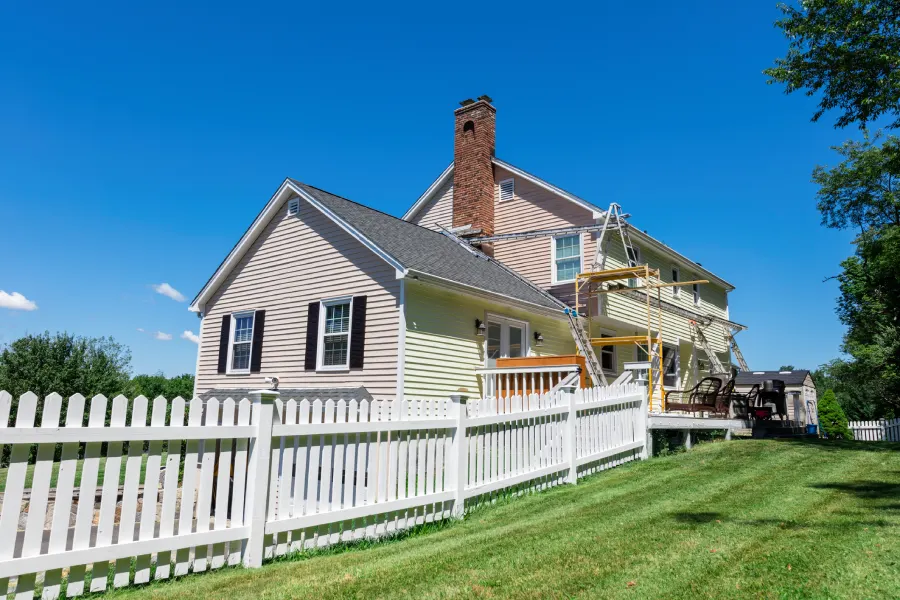
Best Fit by Homeowner Needs
Your daily life should guide your choice.
- If you have small children, aim for at least 4 feet.
- If you own a large dog, 5 feet is often safer.
- If the goal is garden edging, 3 feet is usually enough.
- If you want to frame a walkway, a lower fence keeps things open.
Also think about future changes. Are you planning to add a pool? Some areas require minimum fence heights for safety. Planning ahead can save money later.
Mistakes People Make When Choosing
One common mistake is copying a neighbor without checking lot differences. Yard slope can change how tall a fence looks from the outside. A 4-foot fence on higher ground may appear much taller from the sidewalk.
Another mistake is ignoring local building codes. Many towns limit front yard fence height. Some also require permits for anything over a certain size. Picket fencing should improve your property, not create permit problems.
Homeowners also forget about spacing between pickets. Height alone does not create privacy. Wider gaps will still allow full visibility, even with a taller fence.
Final Decision Checklist
Before you choose your fence height, run through this checklist:
- Check local zoning rules and HOA guidelines.
- Measure yard slope from multiple angles.
- Think about pets, kids, and daily use.
- Decide how much privacy you truly need.
- Plan post depth based on chosen height.
Working with an experienced fence building team can also help you see samples in different heights. This makes your decision much easier.
Ready to Plan Your Fence Project?
If you are planning picket fencing in St Cloud, FL, we can help you choose a height that fits your home and meets local rules. At Tighten Up Fencing Inc., our team works with homeowners to design fences that match their space and goals. Call us at (407) 361-4125 to talk about your project and schedule a consultation.